This is a guide to writing centers, grammar tools, citation generators, note-taking apps, online editors, peer-review groups, and ethical AI support.
When students feel stressed or overwhelmed by deadlines, it’s common to search for quick solutions like “essay writing websites” or “write my essay for me.” But relying on those sites can come with serious academic risks, privacy issues, and ethical consequences. Fortunately, there are many safe, free, and academically responsible alternatives available — tools and resources that help you improve your writing without cheating or putting your personal information at risk.
This article is a complete guide to the best ethical, student-friendly tools you can use before ever considering an essay writing website. These options support your learning, strengthen your writing skills, and keep you aligned with academic integrity rules.

Let’s explore each category in depth.
1. University Writing Centers: The Most Underused Free Resource
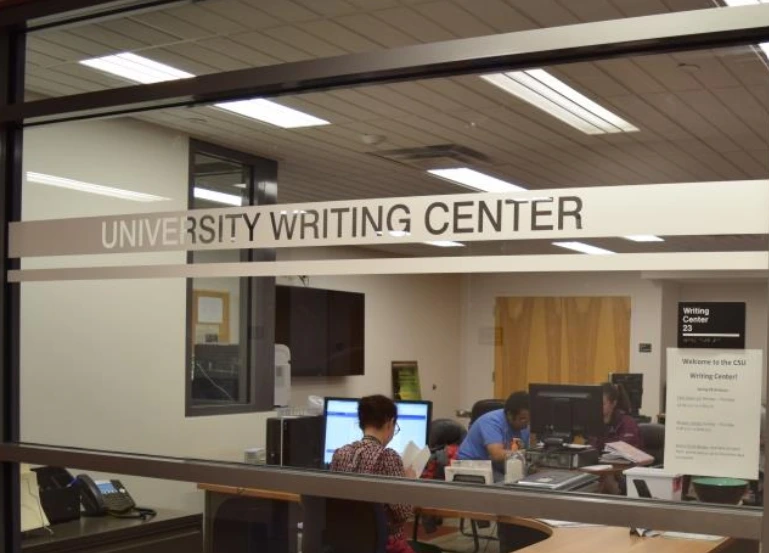
Every high school, college, or university typically has a writing center, and surprisingly, many students never take advantage of it. Writing centers are completely free, staffed by trained writing tutors, and designed specifically to help you at any stage of the writing process.
What You Can Get Help With
Writing centers can support you with:
- Breaking down an essay prompt
- Understanding how to structure paragraphs
- Creating stronger thesis statements
- Improving the flow of your writing
- Learning how to cite sources correctly
- Revising for clarity and organization
Unlike essay-writing websites, writing center tutors do not write your essay for you. Instead, they teach you the skills so you can complete your assignment confidently and independently.
Why Writing Centers Are the Safest Option
- They follow academic integrity rules
- Your information is secure — no third-party companies involved
- The help is personalized and tailored to your assignment
- They improve your writing long-term
Many students report that after three or four writing center visits, their writing improves enough that they rely less on outside help altogether.
2. Citation Generators: Reliable, Free Tools for Referencing
Students often struggle with citations, especially since formats like MLA, APA, and Chicago each have specific rules. Citation generators simplify this process by automatically formatting sources correctly.
Examples of Free Citation Generators
- EasyBib (MLA, APA, Chicago)
- CiteThisForMe
- ZoteroBib
- BibGuru
- MyBib
These websites allow you to paste a link, title, or DOI, and then generate a clean, properly formatted citation.
Why They’re Useful
- Save time and reduce formatting errors
- Help students understand how citations work
- Provide examples for future assignments
What to Watch Out For
Some free citation tools include ads, so always double-check for accuracy. Still, they’re far safer and more ethical than paying a website to write your essay.
3. Grammar Tools: Improve Your Writing Without Outsourcing It
Grammar tools help you catch errors, polish your writing, and refine your sentence structure. These tools don’t write essays for you; instead, they help make your own writing clearer and more professional.
Popular Free Grammar Tools
- Grammarly (free version) — grammar, clarity, and spelling
- Hemingway Editor — simplifies sentences and highlights readability issues
- LanguageTool — multilingual grammar checking
- ProWritingAid (free version) — grammar and style suggestions
- Ginger — grammar and rephrasing support
What Grammar Tools Can Help With
- Fixing run-on sentences
- Catching spelling errors
- Improving readability
- Rewriting confusing or unclear sentences
- Strengthening academic tone
The Key Advantage
Grammar tools help you create the final result. This keeps your work original and ensures you stay within academic integrity guidelines.
4. Note-Taking and Outlining Apps: Build Essays the Smart Way

Most students who struggle with writing essays are not actually bad writers — they simply lack structure. Good note-taking and outlining apps help you break the assignment into smaller, manageable parts.
Useful Free Note-Taking and Outlining Tools
- Google Keep — quick notes and checklists
- Notion (free for students) — templates, planning, outlining
- Microsoft OneNote — structured notebooks for ideas and drafts
- Evernote (free) — note organization and research saving
- Miro — mind-mapping for brainstorming essay topics
- Obsidian — linkable notes for deep research projects
Why These Apps Are Effective
- They help you avoid disorganized drafts
- You can visually map your essay structure
- They allow you to store research in one place
- They reduce procrastination by breaking writing into steps
Tip:
Try building a quick outline before writing anything. Even a simple list of points can dramatically improve your writing speed and confidence.
5. Peer-Review Groups: Get Real, Honest Feedback
Peer feedback is one of the most valuable tools available to students — and it’s free. Many students don’t realize how helpful it is to have another student read their work and point out confusing sections or gaps in logic.
Where to Find Peer-Review Support
- School writing clubs
- Classroom peer-review sessions
- Google Docs collaborative review
- Subreddits for academic writing focused on feedback (not cheating)
- Study partner groups
- Online student Discord servers
What Peer Review Provides
- Fresh perspective
- Feedback on clarity
- Ideas you may not have considered
- Real insights from fellow students
Peer Review Works Best For
- Improving organization
- Checking flow and transitions
- Clarifying confusing paragraphs
- Catching overlooked errors
Peer review does not replace writing the essay yourself — but it can dramatically raise the quality of your work.
6. Online Editors and Readability Tools: Make Your Writing Clearer
Online editors help identify weak areas in your writing so you can revise with confidence. These tools highlight errors, provide revision suggestions, or show which parts of your writing might be too complex or too simple.
Examples of Online Editing Tools
- Hemingway App — highlights overly complex or passive sentences
- Slick Write — checks structure, flow, and grammar
- Typely — minimalist editor for error checking
- ReadabilityFormulas.com — calculates reading level
Why They’re Helpful
These tools offer:
- Readability scoring
- Flow improvement
- Highlighting mistakes
- Pointing out awkward phrasing
- Encouraging clearer academic writing
They don’t write content for you — they help you create stronger drafts.
7. AI Tools for Planning and Understanding (But Not Writing Your Essay)
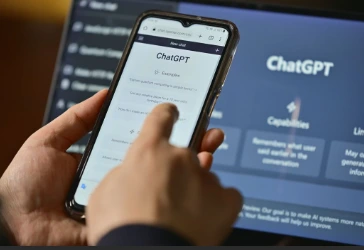
AI can be extremely helpful for brainstorming, clarifying concepts, and planning your writing — as long as it’s used ethically.
What AI Tools Should Be Used For
- Understanding complex topics
- Breaking down assignments
- Creating outlines
- Generating study notes
- Explaining confusing readings
- Improving clarity when revising your own text
Examples of Helpful AI Tools
- ChatGPT — idea development, planning, concept explanations
- QuillBot (free version) — grammar and clarity
- Perplexity — fact summaries and research guidance
Important Note on Ethics
AI tools should never be used to write your essay for you.
Schools can detect AI-written content, and turning it in as your own is considered academic dishonesty.
Used responsibly, AI becomes a tutor — not a ghostwriter.
Final Thoughts: You Don’t Need Essay-Writing Websites to Succeed
Essay-writing websites that offer to “write your paper for you” come with serious academic, ethical, and privacy risks. Students often turn to them out of stress, not laziness. But as you now see, there are countless safer, free, and legitimate alternatives that not only help you complete your assignments — they improve your writing skills long-term.
Here are the best alternatives every student should try first:
- University writing centers — personalized and completely free
- Citation generators — simple, accurate referencing
- Grammar tools — stronger sentences and clearer writing
- Note-taking and outlining apps — better organization
- Peer-review groups — real feedback from real students
- Online editors — readability and clarity improvements
- Ethical AI tools — planning, understanding, and learning
By using these tools together, students can build confidence, avoid risky websites, and strengthen their skills over time.