Students often underestimate online risks because school-related websites feel harmless. But cybercriminals specifically target students because:
- They are less experienced with online security
- They often rush to meet deadlines
- They may overlook safety signs when stressed
- They frequently use shared networks (school Wi-Fi, libraries, cafés)
When you combine academic pressure with a massive online industry promising instant help, you get a perfect setup for scammers.
That’s why learning how to protect your information is not optional — it’s essential.

1. How to Identify Secure Websites: Your First Line of Defense
Before you interact with a website — before you click, sign up, or download anything — you need to check whether it’s technically secure.
✔ Look for HTTPS (Not HTTP)
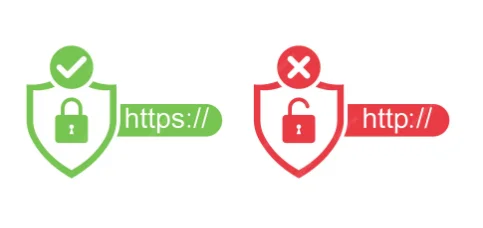
A safe website always starts with https://.
The S stands for secure — meaning your data is encrypted.
If a site only uses HTTP, don’t submit anything. Not your email. Not your name. Definitely not payment information.
✔ Check for a valid SSL certificate
You can check this by clicking the lock icon in the browser.
A missing or invalid certificate is a red flag.
✔ Confirm that the design and navigation look professional
Scam sites often show signs such as:
- Poor English or strange wording
- Missing pages
- Broken links
- No “About Us,” “Contact,” or policy pages
- “Too good to be true” promises
If the website looks sloppy, it’s usually unsafe.
✔ Check for transparent service types
Legit academic support sites clearly state that they offer:
- Editing
- Tutoring
- Writing guidance
- Study support, not academic dishonesty
Any site offering “guaranteed A+ essays” or “we write your entire assignment” is not only unethical — it’s typically unsafe.
2. Understanding Payment Protection: How Not to Get Scammed
If a site asks for payment, you need to treat the transaction like any other online purchase — cautiously and smartly.
Use trusted payment methods
Safe platforms usually support:
- PayPal
- Secure credit card processors
- Known payment gateways
Avoid sites that only accept:
- Direct bank transfers
- Crypto payments
- Gift cards
- Sketchy “instant payment” apps
These methods are nearly impossible to reverse if you lose money.
Check for payment encryption
Look for security badges such as:
- PCI-DSS compliance
- Secure payment icons
- Verified merchant status
These reduce the chance of data theft.
Never save your payment information
Even on secure sites, avoid storing card details.
It’s safer to enter the information manually each time.
3. Avoiding Phishing, Fake Websites, and Low-Rating Domains
Cybercriminals often set up websites that look legitimate but are designed to steal your info or install malware.
Signs of a phishing or scam site:
- The domain name looks similar to a known brand
- You are redirected repeatedly
- Pop-up ads appear instantly
- The site requests your personal data too soon
- “Limited time offer! Buy now!” pressure tactics
- You found the site through a suspicious social media “promotion.”
Always do these checks:
- Search the site name + “reviews”
- Look for the company on platforms like Trustpilot
- Avoid sites with mostly 1-star or overly perfect 5-star reviews
- Look up the domain age — many scam sites are less than six months old
Use basic cybersecurity tools:
- A VPN (if available)
- Anti-malware or antivirus protection
- A browser extension that flags unsafe sites
Students don’t need expensive tools — even free versions catch many threats.
4. What Reputable Academic Support Services NEVER Do With Your Data
Legitimate services, especially those focused on ethical academic help, follow strict privacy rules.
A reputable platform will never:
- Sell your email or personal information
- Share your details with third parties for advertising
- Ask for more personal data than necessary
- Store your payment information without permission
- Ask for your school login credentials
- Request access to your student portal or assignment submission accounts
- Use your personal identity to market to others
- Pressure you into buying full essays (an academic integrity violation)
If a site does any of these things, it’s neither safe nor ethical.
Ethical tutoring and writing-support websites care about:
- Confidentiality
- Student safety
- Academic honesty
- Data protection
- Transparency
These are non-negotiable signs of a trustworthy platform.
5. Safe Browsing Practices for Students Seeking Essay Help
Cybersecurity doesn’t have to be complicated. Most issues can be prevented with simple habits.
✔ Use strong passwords
Avoid using the same password for multiple academic sites.
✔ Don’t log in using public Wi-Fi
If you must use it, enable a VPN.
✔ Keep your browser updated
Security patches are crucial.
✔ Never download unknown files
PDFs, .zip files, or “writing tools” from shady sites often contain malware.
✔ Avoid sharing unnecessary personal details
Most sites only need an email. That’s it.
✔ Read the policies
Check the website’s:
- Privacy policy
- Terms of use
- Refund policy
- Data retention policy
If they don’t exist, the site is not safe.
6. Why Students Must Avoid Cheating Websites Entirely

Many students search for essay help because they feel overwhelmed. But cheating websites (those that offer to write full essays for you) come with major risks:
- They often resell the same content to multiple students
- Their essays may be AI-generated or plagiarized
- They store your personal data and use it against you
- Schools can detect purchased essays using modern tools
- Consequences can include failing grades, academic discipline, or suspension
Secure academic support never involves cheating.
Instead, choose websites that focus on:
- Tutoring
- Editing
- Clarifying concepts
- Helping you improve your own writing
That’s how you protect your information and your academic integrity.
Final Thoughts
Searching for academic help online doesn’t have to be dangerous. With the right skills, you can confidently evaluate websites, protect your personal data, and avoid cybersecurity threats.
Remember the core safety principles:
- Look for HTTPS and valid certificates
- Use reputable payment systems
- Avoid websites with unrealistic promises
- Never share unnecessary personal information
- Choose ethical, academic-integrity-friendly services
Staying safe online isn’t about paranoia — it’s about awareness.
If you follow these student cybersecurity tips, you’ll be far better protected than most people browsing the academic help industry today.